


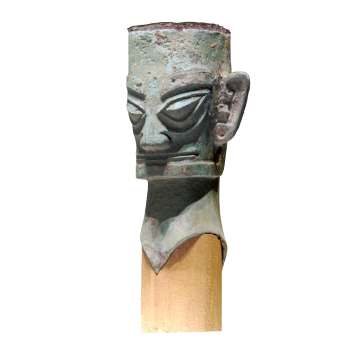
Sanxingdui Bronze Head
This is a bronze human head (or bronze mask) in Sanxingdui, one of the representative cultural relics of ancient Chinese Shu culture. The No. 2 sacrificial pit unearthed in 1986 at the Sanxingdui site in Guanghan, Sichuan, belongs to the late Shang Dynasty (about 3200 years ago). These bronze human heads have unique shapes, such as exaggerated apricot eyes, wide mouths and large ears. Some are even painted with black eyebrows and vermilion lips. Scholars speculate that they may have been used in religious or sacrificial ceremonies, representing gods or ancestors, and may have been mounted on wooden supports or totem poles, or even clothed in clothing.
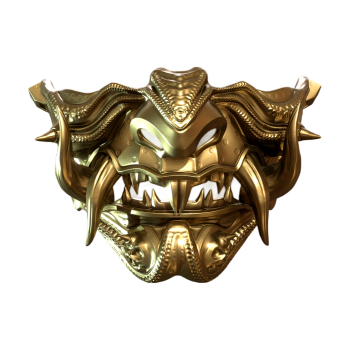
Bronze Samurai Mask (supports 3D printing)
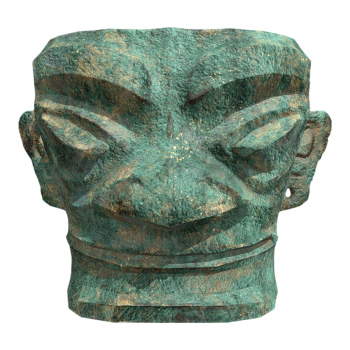
Sanxingdui Bronze Mask
The Sanxingdui Site is an ancient Shu culture site dating back approximately 5000 to 3000 years, during the late Neolithic period. In January 1998, it was announced by the State Council as a "National Key Cultural Relics Protection Unit" and has now been included in the list of World Cultural Heritage Key Protection Units. At the Sanxingdui site, many bronze human masks were unearthed, totaling more than 20 earth human masks, divided into three types: large, medium, and small. These bronze mask groups, represented by the vertical eye masks, are one of the most distinctive and spiritually cultural relics in Sanxingdui. They are the earliest and largest mask groups unearthed in China.

Popular Models
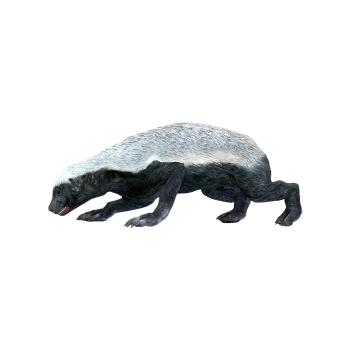
Honey Badger (3D animated model)
192 View
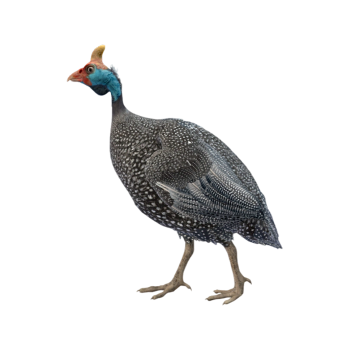
Guinea fowl (3D animated model)
163 View
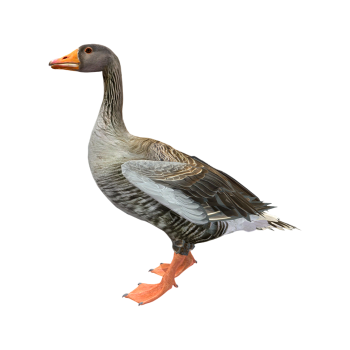
Wild Goose (3D animated model)
185 View
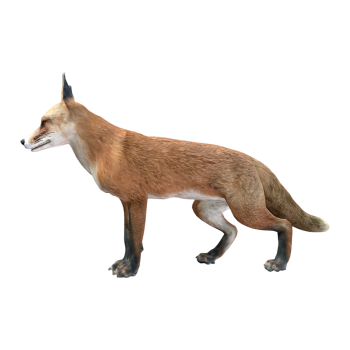
Red Fox (3D animated model)
153 View
Random Model

Red plastic pail
845 View

Original Xbox Home Game Console
971 View


Fossil teeth of megalodon shark
1334 View


Jingdezhen Baluste Vase (Part 2)
977 View
circular ring iron chain
926 View
